Understanding how to monetize a Telegram channel effectively has become crucial for content creators and entrepreneurs seeking sustainable revenue streams in 2025. Old user statistics or forecasts are no proof of income today, so plan around your channel’s real reach and demand.
The potential to monetize Telegram channels varies significantly depending on multiple factors including audience size, content quality, niche selection, and strategic implementation. A small channel may earn a limited income, while a large business works differently, so don’t treat another channel’s income as your likely result. This comprehensive guide explores proven strategies, revenue models, and optimization techniques that enable channel owners to maximize their earning potential on Telegram’s dynamic platform.
Understanding Telegram’s Monetization Landscape
Telegram’s monetization ecosystem differs fundamentally from other social media platforms due to its unique architectural features and user behavior patterns. A channel’s main feed of posts is chronological, but Telegram also has features for finding channels and getting recommendations. Channels still have to work on content, promotion and partnerships to build an audience, and this does not automatically bring a more engaged audience or higher ad rates.
A user’s spending power or interest in buying is not determined by the platform alone. Demand differs by topic, such as news, entertainment, education or business, so don’t treat old global age or gender percentages as your channel’s profile.
The announced entry threshold for Telegram’s official ad revenue sharing is 1,000 subscribers on a public channel. Under the current creator terms, an eligible channel can receive a reward equal to 50% of Telegram’s ad revenue from valid impressions. Check eligibility and actual availability in your account. There are other income sources as well.
Revenue Models and Earning Potential

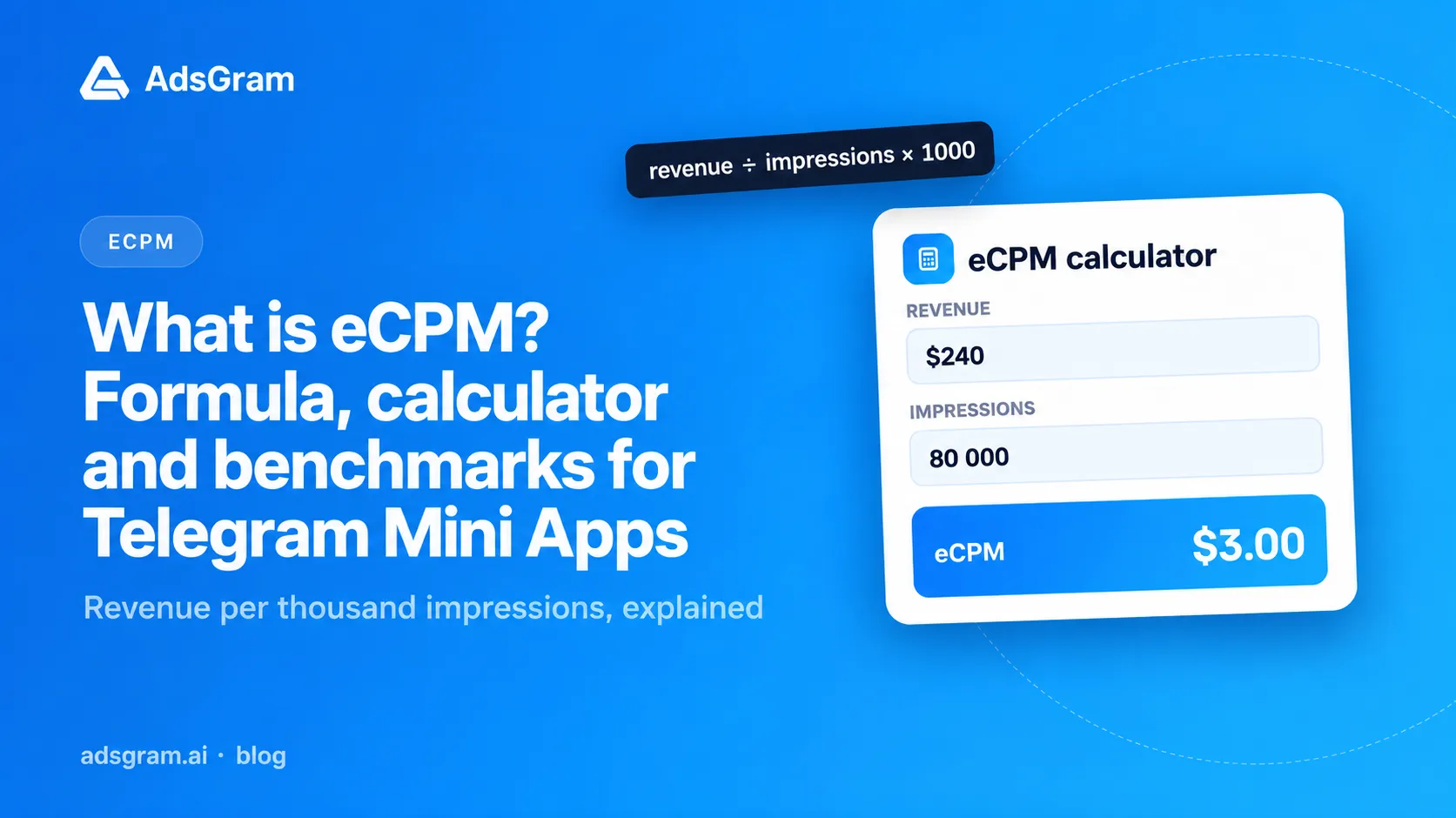
The earning potential for Telegram channels varies dramatically based on niche selection and audience characteristics. CPM rates, which represent the cost per thousand impressions, serve as a fundamental metric for understanding monetization potential. There is no fixed low or high rate for different topics. What a publisher receives and what an advertiser spends can also differ, so compare your recent ad views, actual fees and income received.
Channel authority significantly impacts revenue generation capabilities. An author’s recognition and expertise can matter to advertisers. However, there is no rule that an expert’s channel earns a fixed multiple more than a similar channel of the same size, so set prices based on your real audience, topic fit and past placement reports.
Geographic audience distribution plays a crucial role in determining revenue potential. Channels with audiences concentrated in developed markets typically achieve higher CPM rates and attract more lucrative sponsorship opportunities. The quality of audience engagement, measured through metrics such as comment rates, sharing behavior, and click-through rates, directly correlates with advertiser willingness to pay premium rates for channel placements.
Primary Monetization Strategies
Advertising and Sponsored Content
Advertising remains the primary revenue source for most successful Telegram channels. The platform supports various advertising formats, each with distinct pricing structures and performance characteristics. Standard formats include 1/24 (one hour at top, 24 hours in feed), 2/48 (two hours at top, 48 hours in feed), and options like “No Deletion”, which means no set removal date rather than a guarantee that the post stays available forever.
Native advertising represents one of the most lucrative formats for established channels. These posts integrate promotional content seamlessly with regular channel content, often achieving higher engagement rates and commanding premium pricing. Agree on their duration separately: being native does not mean a post is permanent.
Repost advertising offers a cost-effective entry point for channels beginning their monetization journey. While generating lower revenue per post, reposts require minimal effort and can be utilized to fill content gaps while generating incremental income.
Product and Service Sales
Selling your own products through a Telegram channel gives you control over the offer and price. This does not mean that all of the payment is your profit: creation, support, payment and delivery all have costs. This approach works particularly well for digital products such as educational courses, templates, e-books, and consultation services. Successful implementation requires developing products that align closely with audience interests and needs.
Service-based monetization allows experts to leverage their knowledge and reputation for direct revenue generation. Popular services include one-on-one consultations, group coaching programs, design services, and specialized expertise in various fields. The key to success lies in clearly communicating value propositions and establishing trust with the audience.
Information products represent a scalable revenue stream that can generate ongoing income with minimal additional effort after initial creation. Successful examples include industry reports, trend analyses, exclusive content packages, and comprehensive guides that provide significant value to subscribers.

Subscription Models and Premium Content
Telegram’s paid subscription features enable creators to offer exclusive content to paying subscribers. This model typically involves creating two channels: a free channel with basic content and a premium channel with exclusive, high-value content. Base the price on your audience’s willingness to pay and the supported payment options rather than on monthly prices from other markets.
The subscription model provides predictable recurring revenue and helps build stronger relationships with the most engaged audience members. Successful implementation requires consistently delivering premium content that justifies the subscription cost and cannot be found elsewhere.
Tiered subscription models allow creators to serve different audience segments with varying price points and content access levels. This approach maximizes revenue potential by capturing willingness to pay across different subscriber segments while providing clear value differentiation between tiers.
Advanced Monetization Techniques
Affiliate Marketing and Partnerships
Affiliate marketing enables channel owners to earn commissions by promoting relevant products and services to their audience. Success requires careful selection of affiliate partners that align with audience interests and channel content themes. Transparent disclosure of affiliate relationships maintains audience trust while complying with advertising regulations.
Strategic partnerships with complementary channels and businesses can create mutually beneficial revenue opportunities. Cross-promotion agreements, joint ventures, and collaborative content creation expand reach while sharing costs and revenues among partners.
Brand partnership agreements often provide more lucrative opportunities than traditional affiliate programs. These relationships involve deeper collaboration between channels and brands, including content co-creation, long-term campaigns, and exclusive partnership arrangements that command premium pricing.
Telegram Stars and Mini Apps
Telegram Stars, the platform’s native virtual currency, enables creators to sell digital goods and services directly within the Telegram ecosystem. This payment system simplifies transactions while providing users with familiar payment methods including in-app purchases through Apple and Google payment systems.
Mini Apps represent an emerging monetization frontier within Telegram’s ecosystem. These applications enable creators to develop interactive experiences, games, and services that generate revenue through various models including in-app purchases, premium features, and advertising integration.
Integration with TON blockchain technology opens additional monetization possibilities including cryptocurrency payments, NFT creation and sales, and decentralized application development. Don’t treat this as a required income model for every channel, or early adoption as a guaranteed advantage.
Optimization and Growth Strategies

Successful channel monetization requires continuous optimization based on performance analytics and audience feedback. Regular analysis of engagement metrics, revenue per subscriber, and content performance helps identify opportunities for improvement and growth acceleration.
Content quality consistency directly impacts long-term monetization success. Establishing content standards and maintaining regular publishing schedules builds audience expectations and trust. High-performing content should be analyzed and replicated while underperforming content provides learning opportunities for future improvements.
Audience growth strategies must balance quantity with quality to maintain high engagement rates and premium monetization potential. Targeted promotion, cross-platform marketing, and strategic partnerships can accelerate growth while preserving audience quality and engagement levels.
Analytics and Performance Tracking
Comprehensive analytics tracking enables data-driven optimization of monetization strategies. Key metrics include subscriber growth rates, engagement percentages, revenue per subscriber, and advertiser satisfaction scores. Regular analysis of these metrics helps identify trends and opportunities for improvement.
Third-party analytics tools such as TGStat, Telemetr, and Popsters provide deeper insights into channel performance and competitive analysis. These tools enable benchmarking against similar channels and identification of best practices that can be adapted for improved performance.
Revenue attribution tracking helps determine which monetization strategies provide the highest return on investment. This analysis enables resource allocation optimization and strategic focus on the most profitable activities while identifying underperforming areas that require attention or elimination.
Practical approach: Put reader value and trust first. Check real demand first, then add monetization gradually. If ad income grows but the audience shrinks quickly, the model may not be sustainable.
Future Trends and Opportunities
The Telegram monetization landscape continues evolving with new features and opportunities emerging regularly. Artificial intelligence integration, enhanced e-commerce capabilities, and expanded payment options represent significant growth areas for forward-thinking channel creators.
Cross-platform integration strategies enable creators to leverage Telegram’s unique strengths while expanding reach through complementary platforms. This approach diversifies revenue streams while reducing dependence on any single platform for income generation.
Emerging technologies including augmented reality, virtual reality, and advanced AI tools will likely create new content formats and monetization opportunities. Early experimentation with these technologies can provide competitive advantages as they become more mainstream.
Learning how to monetize a Telegram channel effectively requires understanding the platform’s unique characteristics, audience dynamics, and available revenue models. Success comes from implementing diverse monetization strategies while maintaining focus on audience value and engagement quality. The most profitable channels combine multiple revenue streams including advertising, direct sales, subscriptions, and strategic partnerships to create sustainable income sources.
The key to long-term success lies in treating channel monetization as a business that requires continuous optimization, audience development, and strategic adaptation to changing market conditions. By focusing on audience needs, maintaining content quality, and implementing proven monetization strategies, creators can build profitable channels that generate substantial ongoing revenue while providing genuine value to their subscribers.
As Telegram continues growing and evolving, new monetization opportunities will emerge for creators who stay informed about platform developments and audience trends. The channels that achieve the greatest long-term success will be those that adapt quickly to new opportunities while maintaining the fundamental principles of audience value creation and engagement optimization.
Frequently Asked Questions
What is the minimum subscriber count required to start monetizing a Telegram channel?
While Telegram’s official revenue sharing program requires 1,000 subscribers, many monetization strategies can begin with smaller audiences. Direct product sales, affiliate marketing, and premium subscriptions can be implemented regardless of subscriber count, though larger audiences typically generate higher revenues.
How much revenue can a typical Telegram channel generate monthly?
Revenue varies dramatically based on niche, audience size, and monetization strategies. There is no reliable universal figure. To estimate, multiply your real ad views, paying members or valid sales by the relevant rate, then subtract costs. Success depends on audience engagement, content quality, and strategic implementation of multiple revenue streams.
What are the most effective strategies to increase CPM rates for advertising?
Focus on building authority in your niche, maintaining high engagement rates, targeting premium demographics, and consistently delivering high-quality content. Verified channels, clear niche positioning, and strong advertiser relationships also contribute to higher CPM rates and more lucrative partnership opportunities.
How important is audience geography for monetization success?
Geographic distribution significantly impacts revenue potential. Audiences concentrated in developed markets (US, Europe, Australia) typically command higher advertising rates and attract premium sponsors. However, successful monetization is possible with audiences from any geography through appropriate strategy adaptation and niche selection.